Buy Now Pay Later Regulation Changes 2026 Guide
Buy Now Pay Later Regulation Changes 2026 : Understand Buy Now Pay Later Regulation Changes 2026, new U.S. rules, credit impact, consumer protections, and what they mean for you.
Buy Now Pay Later has growing very fast in recent years. Many shopkeeper allow split payments. Split payment means customer purchasing product or item like a small installment, then customer pay later. It looks simple and convenient. But it also create a financial risk like hidden face and weak consumer protection.
That’s why, US government are introducing new changes for buy now pay later (BNPL) method. This new changes to make bnpl safer and more transparent for customers.
in this detailed article guide explain what is changing and why its matter, and also how it will affect you. Please read full article don’t skip.
What is Buy Now Pay Later (BNPL) ?
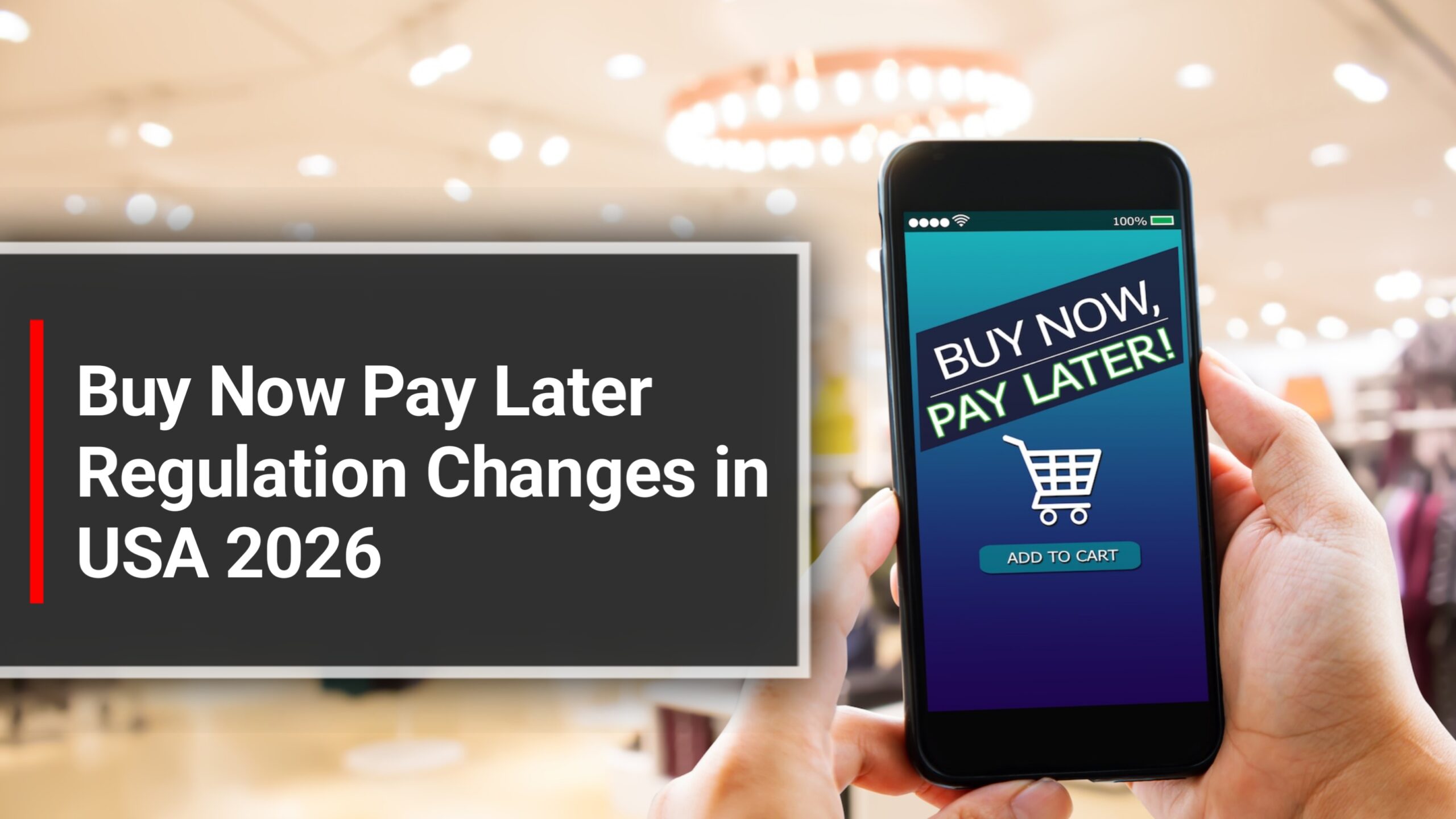
What is Buy Now Pay Later (BNPL) allows shopkeeper to purchase product immediately and customer pay later. Usually in small installments. Any service offer interest free payments if you pay on time. Most of the people use BNPL method for online shopping, electronics purchases, travel bookings, and clothing and retail purchases. Most of the people love BNPL purchase.
Popular providers include Affirm, Klarna, and Afterpay. These services are commonly available online and in stores.
Unlike credit cards, BNPL often requires minimal credit checks and quick approval. That convenience helped drive massive adoption across the United States.
However, easy access also created risks. Some consumers take multiple BNPL loans at once, miss payments, or underestimate total debt. Regulators noticed these trends and began reviewing how the industry operates.
What Are the Buy Now Pay Later Regulation Changes 2026?
The Buy Now Pay Later Regulation Changes 2026 introduce stronger oversight, clearer rules, and more consumer protections. Regulators want BNPL services to operate more like traditional lenders in key areas.
These changes are being guided by agencies such as the Consumer Financial Protection Bureau, with policy input from institutions like the Federal Reserve and the U.S. Department of the Treasury.
The goal is simple: protect consumers while keeping credit access available.
Why the Buy Now Pay Later Regulation Changes 2026 Matter
These changes matter because BNPL is no longer a niche payment option. It is becoming a major part of everyday spending.
Here is why the new rules are important:
1. More Americans Are Using BNPL
BNPL is now common for clothing, electronics, travel, and even groceries. Millions of households rely on it regularly.
2. Debt Can Add Up Quickly
Because approvals are easy, users sometimes open multiple payment plans at the same time. Without clear tracking, debt can grow unnoticed.
3. Consumer Protections Were Limited
Many BNPL plans did not provide the same dispute rights, billing protections, or disclosures required for credit cards.
4. Financial Stability Concerns
Regulators want to prevent widespread defaults that could affect both consumers and lenders.
The Buy Now Pay Later Regulation Changes 2026 aim to fix these issues.
Key Buy Now Pay Later Regulation Changes 2026
Here are the most important new rules you should understand.
1. Stronger Credit Checks
Some BNPL providers must now assess a borrower’s ability to repay before approval. This may include:
- Credit history review
- Income verification
- Debt evaluation
This helps reduce over-borrowing.
2. Mandatory Credit Reporting
Many BNPL loans will now be reported to credit bureaus. That means:
- On-time payments may help your credit score
- Missed payments may hurt your score
This is a major change from earlier years.
3. Clear Fee and Interest Disclosures
Providers must clearly show:
- Late fees
- Interest charges
- Payment schedules
- Penalties
No more hidden terms buried in fine print.
4. Dispute and Refund Protections
Consumers will gain protections similar to credit card users, including:
- Ability to dispute charges
- Refund rights for returns
- Error correction processes
5. Limits on Automatic Payments
Some rules restrict aggressive auto-debit practices that previously caused overdraft fees.
6. Data Privacy Requirements
Providers must protect consumer financial data and disclose how it is used.
7. Standardized Communication
Payment reminders, default notices, and account updates must follow clear standards.
Benefits of Buy Now Pay Later Regulation Changes 2026
These regulations offer several advantages for consumers.
Better Financial Protection
Clear rules reduce unfair practices and hidden costs.
Improved Credit Opportunities
Responsible users may build credit history through on-time payments.
More Transparency
Consumers understand exactly what they owe and when.
Reduced Over-Borrowing
Ability-to-repay checks prevent excessive debt.
Potential Risks and Downsides
Not all impacts are positive.
Harder Approval
Some consumers may not qualify as easily.
Credit Score Impact
Missed payments now affect credit reports.
Less Flexibility
Providers may reduce promotional offers.
More Documentation
Applications may require additional financial information.
Real-Life Scenarios: How the Changes Affect Consumers
Scenario 1: Responsible User Builds Credit
Sarah uses BNPL for a laptop purchase. She makes every payment on time. Her payment history is reported to credit bureaus, helping her credit score improve.
Scenario 2: Missed Payments Have Consequences
Mark opens several BNPL plans at once. He misses payments on two purchases. Those missed payments appear on his credit report, lowering his score.
Scenario 3: Easier Refund Dispute
Emily returns a damaged product bought with BNPL. Under the new rules, she can dispute the charge and pause payments until resolved.
Comparison: BNPL Before vs After Regulation Changes 2026
| Feature | Before 2026 | After 2026 |
|---|---|---|
| Credit checks | Often minimal | More thorough |
| Credit reporting | Rare | Common |
| Fee transparency | Inconsistent | Standardized |
| Dispute rights | Limited | Expanded |
| Consumer protections | Varies by provider | Regulated |
| Approval speed | Very fast | May be slower |
| Financial oversight | Light | Stronger |
Expert Tips for Using BNPL Safely in 2026
Track Every Payment
Use reminders or budgeting apps.
Limit Active Plans
Avoid multiple overlapping installment purchases.
Check Your Credit Report
Monitor how BNPL activity affects your score.
Read Payment Terms Carefully
Understand fees, due dates, and penalties.
Treat BNPL Like a Loan
Because that is exactly what regulators now consider it.
Use Only for Planned Purchases
Avoid impulse spending.
Future Outlook: What Comes Next?
The Buy Now Pay Later Regulation Changes 2026 may only be the beginning. Experts expect:
- Deeper integration with credit reporting systems
- Stricter lending standards
- Greater provider licensing requirements
- Possible interest caps or fee limits
- Expansion into international regulatory frameworks
Technology companies such as Apple and financial institutions may continue offering installment services, but under tighter oversight.
BNPL will likely remain popular, but it will function more like traditional credit.
Frequently Asked Questions
1. Will BNPL affect my credit score in 2026?
Yes. Many providers will report payment activity to credit bureaus.
2. Are interest-free plans disappearing?
No, but providers may apply stricter approval rules.
3. Can I still get fast approval?
Possibly, but more checks may be required.
4. Do the new rules apply to all BNPL providers?
Most major providers must follow federal regulations, though details may vary.
5. What happens if I miss a payment?
Late fees may apply, and your credit score could drop.
6. Are refunds easier under the new rules?
Yes. Consumers now have stronger dispute protections.
7. Why is the government regulating BNPL?
To protect consumers and ensure responsible lending practice.
Educational Disclaimer
This article is for educational and informational purposes only. It does not provide financial, legal, or credit advice. Regulations may change, and individual financial situations differ. Always consult a qualified financial professional before making borrowing decisions.
Conclusion
The Buy Now Pay Later Regulation Changes 2026 mark a major shift in how installment payments work in the United States. These rules bring stronger protections, more transparency, and greater accountability for both lenders and borrowers.
For consumers, BNPL is becoming more structured and more serious. It can help build credit and offer flexible payments—but only if used responsibly.
Understanding these changes now will help you avoid debt problems, protect your credit score, and make smarter financial decisions in 2026 and beyond.
BNPL is not going away. It is simply growing up—and so must the way we use it.