Looking for the Best Secured Credit Cards for Bad Credit 2026? Compare secured card options, fees, and tips to safely rebuild your credit in the U.S.
If your credit score is very low or bad, getting approval for a credit card can be difficult. But some credit cards are designed for people with bad or limited credit. When used responsibly, these credit cards can help you rebuild your credit over time.
This guide explains :
- What is does bad credit means
- How secure credit card works
- Which options are considered reliable in 2026
This article is for informational and educational purposes only.
What Does Bad Credit Mean?
Most U.S. lenders use the FICO Score, which ranges from 300 to 850.
Source: myFICO.com
FICO® Credit Score Ranges (2026)
Understanding your credit score range can help you choose the right credit card and improve your financial health.
| Score Range | Category |
|---|---|
| 800 – 850 | Excellent |
| 740 – 799 | Very Good |
| 670 – 739 | Good |
| 580 – 669 | Fair |
| Below 580 | Poor / Bad |
Source: myFICO.com (FICO® Score Range Information)
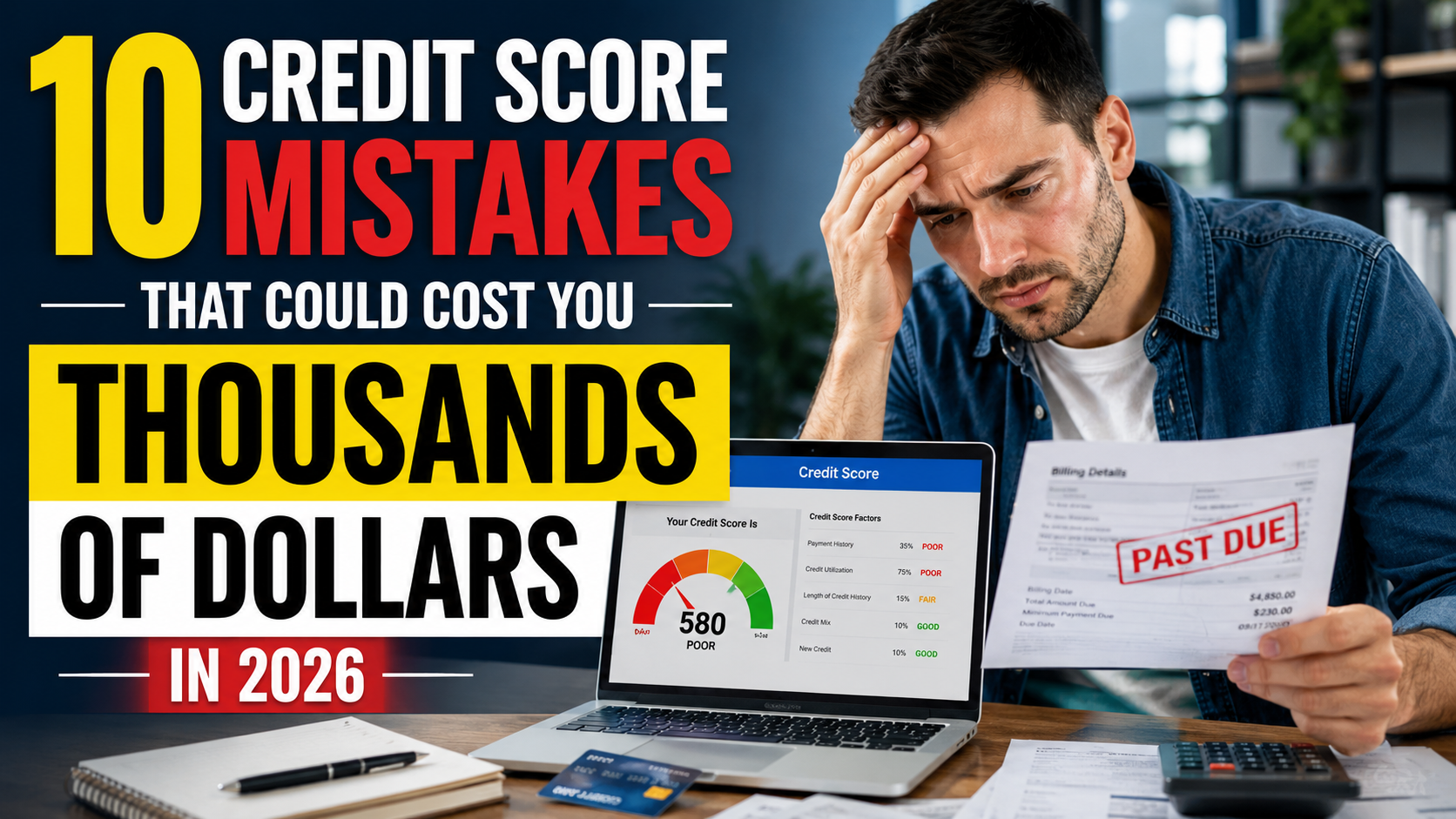
If your credit score is below 580, it is generally considered poor or bad credit. A bad credit generally refers to a FICO Score below 580. At this level, many traditional credit cards are harder to qualify, and interest rates are higher.
How credit cards help build credit
A credit card can help improve your credit score if :
- You pay on time
- You keep your balance low
- The card reports to all three credit bureaus ( Experian, Equifax, Transunion )
Your payment history and credit usage are major factors in your credit score. Most secured credit cards require a refundable cash deposit as collateral. Some issuers may upgrade your secured card to an unsecured card letter.
Example: How Credit Utilization Works
- If you deposit $200, your credit limit is usually $200.
- If you spend $50, you are using 25% of your credit limit.
Calculation: $50 ÷ $200 = 25%
- It is generally recommended to keep your credit usage below 30%.
- If you pay the $50 on time and in full, you avoid interest and help build your credit.
Secured Card VS Unsecured Card
Secured Credit Card :
- Requires a refundable security deposit
- Your deposit usually equals your credit limit
- Easy approval for bad credit
Unsecured Credit Card :
- No deposit required
- Harder approval with poor credit
- Higher interest rate
For most people with bad credit, secured credit cards are a more realistic option
Understanding APR and Interest Costs
Credit cards for bad credit often have higher APRs, sometimes above 25% or more. If you carry a balance, interest charges can add up quickly. Paying your balance in full each month helps you avoid interest.
Best credit card for bad credit (April 2026)
Below are well known secured credit cards from major U.S. issuers. Always check the official website for update rates and terms.
1. Capital One Quicksilver Secured Cash Rewards
- Type: Secured
- Annual Fee: $0
- Unlimited cashback
- Possible credit line increases with responsible use.
- Source: www.capitalone.com
Capital One offers cashback rewards while helping you build credit. Some users see credit line increases over time with responsible use.
2. Discover it® Secured Credit Card
- Type: Secured
- Annual Fee: $0
- Rewards: Cash back on everyday purchases + match at end of first year
- Reports to all three credit bureaus
- Source : www.discover.com
Discover it® Secured Credit Card Reports to all three major bureaus. Discover matches all cash back earned in the first year — a rare perk for secured cards
3. Bank of America Secured Cards
- Unlimited Cash Rewards Secured
- Travel Rewards Secured
- Customized Cash Rewards Secured
- Source: www.bankofamerica.com
Bank of America Secured Cards offers multiple secured credit cards with terms, suited to different spending needs. All require a security deposit and report to credit bureaus, and some offer cash back also.
4. First Progress Prestige Secured Mastercard®
- Type: Secured
- Annual Fee: Often $49
- Source : www.mastercard.com
First Progress Prestige Secured Mastercard® Why someone choose it : Easier approval for bad credit, fees and rewards are modest compared to non fee options.
5. Other Options Worth Considering
Capital One Platinum Secured Credit Card: Low deposit requirements make this useful for tight budgets.
Source : www.capitalone.com
OpenSky® Secured Visa®: Doesn’t require a credit check, which may improve approvals.
Source : www.openskycc.com
Credit Cards for Bad Credit — Key Comparison (2026)
Below are commonly recommended secured credit cards. Approval depends on your credit profile and issuer requirements.
| Card Name | Type | Annual Fee | Rewards | Best For |
|---|---|---|---|---|
| Capital One Quicksilver Secured | Secured | $0 | Cash Back | Rewards while building credit |
| Discover it® Secured | Secured | $0 | Cash Back + Match | Max cashback benefits |
| Bank of America® Secured Cards | Secured | $0 | Varies | Flexible reward options |
| First Progress Prestige Secured Mastercard® | Secured | ~$49 | Limited | Easier approval for low scores |
| Capital One Platinum Secured | Secured | $0 | None | Low deposit requirement |
| OpenSky® Secured Visa® | Secured | Varies | None | No credit check required |
Note: Rates, fees, and terms may change. Always review the official issuer website before applying.
You should know these things before applying for a credit card
1. Reporting to Credit Bureaus
To build credit, your card must report payments to Equifax, Experian, and TransUnion. Not all cards do this, so check before you apply for a credit card.
2. Fees and APR
Credit cards for bad credit often have higher interest rates and sometimes you have to pay annual fees or maintenance fees, So choose a $0 annual fee credit card. and plan to pay the balance in full each month to avoid interest.
3. Upgrade Potential
Some secured credit cards allow you to upgrade to an unsecured version over time. This is a helpful step to rebuild your credit.
4. More important
Before applying for a credit cards, always verify official source terms and conditions
Important warnings
- Credit card approval is not guaranteed. Just because a credit card is meant for bad credit, does not mean every applicant can get approval easily.
- Please avoid guaranteed approval claims. These are often scams or misleading offers.
- Using your credit card irresponsibly can hurt your credit more. Late payments and high balances are major negative factors.
How to improve your credit ?
- Check your free credit report at AnnualCreditReport.com. Source: AnnualCreditReport.com (authorized by the Federal Trade Commission).
- Pay all your bills on time
- Keep your balance below 30% of your credit limit
FAQ frequently asked questions
Can I get a credit card with a 500 credit score?
Yes, some secured credit cards may approve applicants with scores around 500. Approval depends on the issuer’s review process.
Do secured credit cards build credit?
Yes. If the card reports to credit bureaus and you pay on time, it can help build your credit history.
How long does it take to improve poor credit?
It depends on your situation. Many people begin seeing improvement within several months of consistent on-time payments.
Does applying for a credit card hurt my score?
A hard inquiry may slightly lower your score temporarily.
update : April 2026
Conclusion
Best Secured Credit Cards for Bad Credit 2026 : If you have bad credit, a secured credit card is often the safest starting point. Choosing a card with low fees, clear reporting to credit bureaus, and simple terms. Rebuilding credit with a low score takes patience and discipline. The credits listed above are among the reputable choices available in April 2026 based on current financial research. Always verify the official source, latest terms on each issuer’s official site before you apply .
Disclaimer:
This article is for informational and educational purposes only. Rates, fees, and terms may change. Always verify current details on the official issuer website before applying.
About the Author
Dhanya writes about U.S. personal finance topics including credit cards, loans, and credit building strategies. This content is based on publicly available issuer information and federal consumer resources.